Travelling to these places? We can help
India Travel Vaccinations and Health Advice
India rarely needs just one jab — food and water risks, day-biting mosquitoes, rabies and regional malaria all count. Book a travel consultation in Welwyn Garden City.
India is rarely about a single vaccine
Planning for India almost never comes down to one jab. Food and water infections, mosquitoes that bite in daylight, possible rabies exposure and malaria advice that changes from state to state all belong in the same conversation. At Welwyn Garden Clinic, our prescriber-led team starts with your actual itinerary — where you are going, how long for and what you will be doing day to day — and builds your vaccine and prevention plan around that, rather than handing you a generic country checklist.
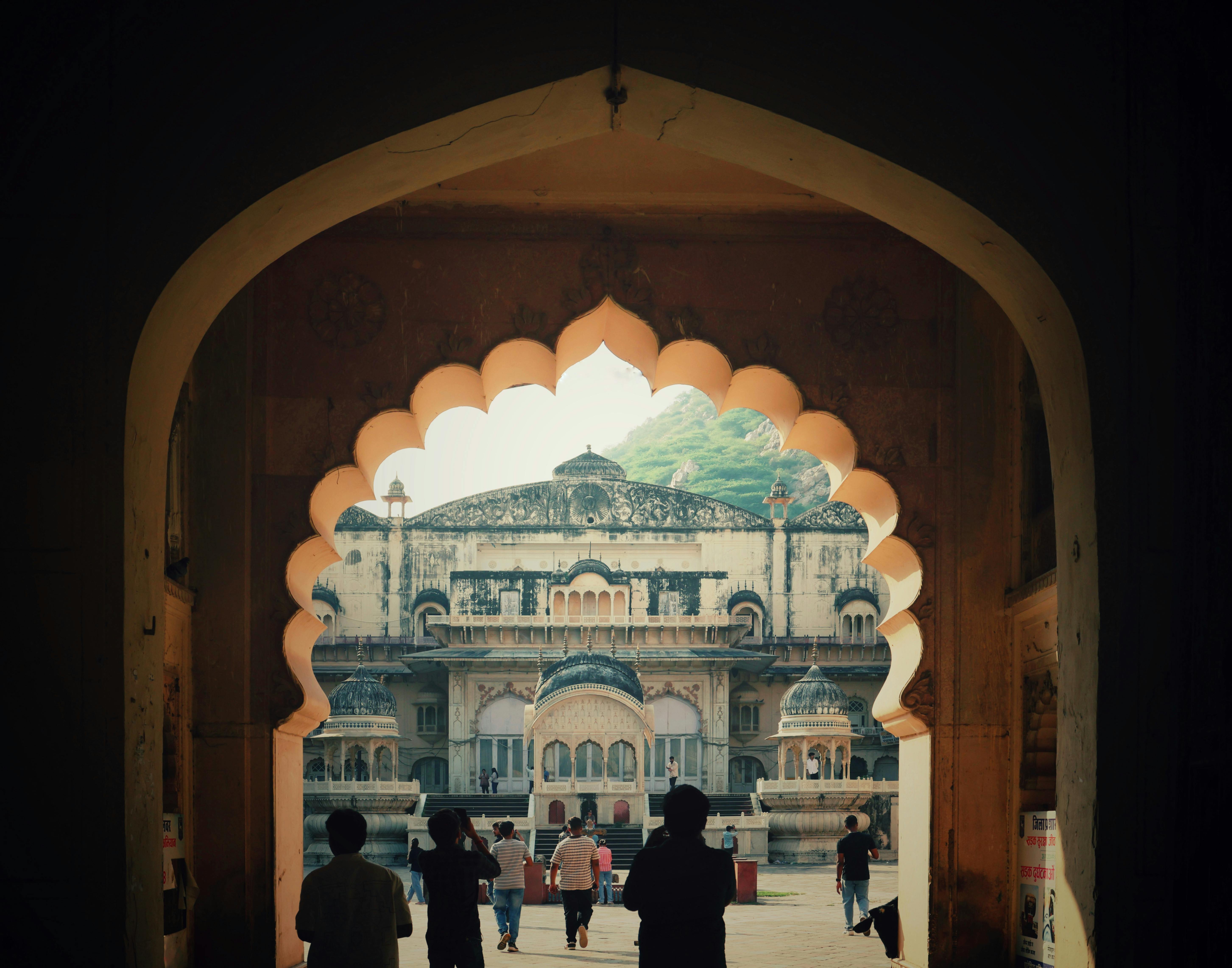
Weddings, work, family visits and overland routes all carry different risk
Travellers from across Welwyn Garden City and the surrounding area head to India for family celebrations, religious visits, business, study, volunteering, medical treatment or longer independent journeys. A few hotel nights in Mumbai or Bengaluru is a very different proposition from several weeks staying with relatives, crossing states by train, spending time in rural districts or travelling through the monsoon. Food exposure is usually higher than people anticipate, particularly on longer trips and family stays where you eat in homes, at roadside stops or in smaller local places. Children, older travellers, anyone pregnant and people managing long-term conditions all need a more considered plan — as do travellers heading to high-altitude regions such as Ladakh, or to rural areas where mosquitoes and animal contact are harder to avoid.
Day-biting mosquitoes and contaminated food are the two underestimated risks
Hepatitis A is routinely recommended for previously unvaccinated travellers to India because it passes through contaminated food and water. Typhoid is usually discussed too, especially for longer stays, those visiting friends and relatives, children, frequent travellers and anyone likely to eat where sanitation is uncertain. We will also confirm your routine UK cover, including tetanus-containing vaccines and MMR where relevant. India carries several mosquito-borne infections. Dengue stands out because the mosquitoes frequently bite during the day and thrive in towns and cities, not just rural areas. Zika is also reported, so anyone pregnant or planning a pregnancy should ask for specific advice before travelling. Japanese encephalitis is a separate consideration, linked mainly to rural exposure, rice-growing regions and longer stays, with risk reported countrywide and seasonal peaks around and after the monsoon, particularly in the north. Malaria advice for India is regional. Tablets are generally advised for higher-risk areas such as Assam and Odisha, parts of Andhra Pradesh and selected districts of Madhya Pradesh. Much of the rest of the country, Goa included, is classed as low risk, where bite avoidance and recognising malaria symptoms still matter. Lakshadweep is not considered a malaria risk. Rabies is present in India, including among domestic animals. Pre-travel rabies vaccination is worth weighing up for children, runners, cyclists, long-stay travellers and anyone going somewhere prompt treatment after a bite could be difficult. Hepatitis B may also be relevant for longer stays, sexual exposure, contact sports, medical or dental treatment, or work involving blood or body fluids.
Bring your route, your dates and your medical history
Aim to book your travel consultation four to six weeks before you fly. That allows time for vaccines needing more than one dose and for malaria tablets, if your route calls for them. Travelling sooner? Still come in — late advice almost always beats no advice. For India, bring your itinerary by state or city if you have it. Flag rural stays, family visits, trekking, monsoon travel, work with animals, cycling, any pregnancy plans and any problems with your immune system. We will also check whether you need documentation, such as a yellow fever certificate if you are arriving from a country with yellow fever risk, or polio proof in specific circumstances. Pack repellent, cover arms and legs when mosquitoes are active, and choose accommodation with screens or air conditioning where you can. Be cautious with water, ice, salads and anything left sitting warm. If you are heading above 2,500 metres, plan your ascent days properly.
Get your India travel advice in Welwyn Garden City
If India is on the horizon, book a travel health appointment with Welwyn Garden Clinic. We will review your vaccine history, talk through your exact route and explain any malaria or mosquito precautions in plain English. Our Welwyn Garden City pharmacy sits right by the Underground station, with our Welwyn Garden City branch a short hop away, and appointments can usually be arranged around your departure date subject to availability.
Frequently Asked Questions
Common questions about this destination.
How early should I book India travel vaccinations?
Aim for four to six weeks before departure, particularly if you may need more than one vaccine visit. If your trip is sooner, book anyway — a prescribing pharmacist can still check your records, give practical advice and arrange suitable vaccines where timing allows.
Which vaccinations are usually recommended for India?
Hepatitis A, typhoid and tetanus-containing vaccines are the ones most often discussed for India, alongside routine UK cover such as MMR if you are not fully protected. Hepatitis B, rabies and Japanese encephalitis may be considered depending on your route, how long you are staying and what you will be doing.
Do I need malaria tablets for India?
Some travellers do. Tablets are generally advised for higher-risk areas including Assam and Odisha, parts of Andhra Pradesh and selected districts of Madhya Pradesh. Across much of the rest of India, Goa included, the usual advice is bite avoidance and symptom awareness — though your own risk factors can shift the recommendation.
Is dengue a concern in India?
Yes — dengue is a significant mosquito-borne risk in India. The mosquitoes that carry it often bite in daylight and are found in urban areas as well as around towns. Repellent, covered skin and sensible accommodation all matter, because no tablet prevents dengue.
Do I need a yellow fever certificate for India?
India itself has no yellow fever risk, but certificate rules can apply if you arrive from, or transit through, a country with yellow fever transmission. This matters most when India is one leg of a wider multi-country trip. Bring your full route to the consultation so it can be checked properly.