Travelling to these places? We can help
Morocco Travel Vaccinations and Health Advice
Morocco is close to home, but rabies, food and water illness, altitude and routine vaccine gaps still matter. Book travel health advice in Welwyn Garden City.
A nearby trip with a few easy-to-miss risks
Short flights can make Morocco feel medically simple. For many travellers it is, but the briefing should still be specific. Rabies risk from animals, food and water illness, routine vaccine gaps and altitude on Atlas Mountain routes all deserve a proper look. At Welwyn Garden Clinic, we can review your itinerary, vaccine history and plans before you travel.
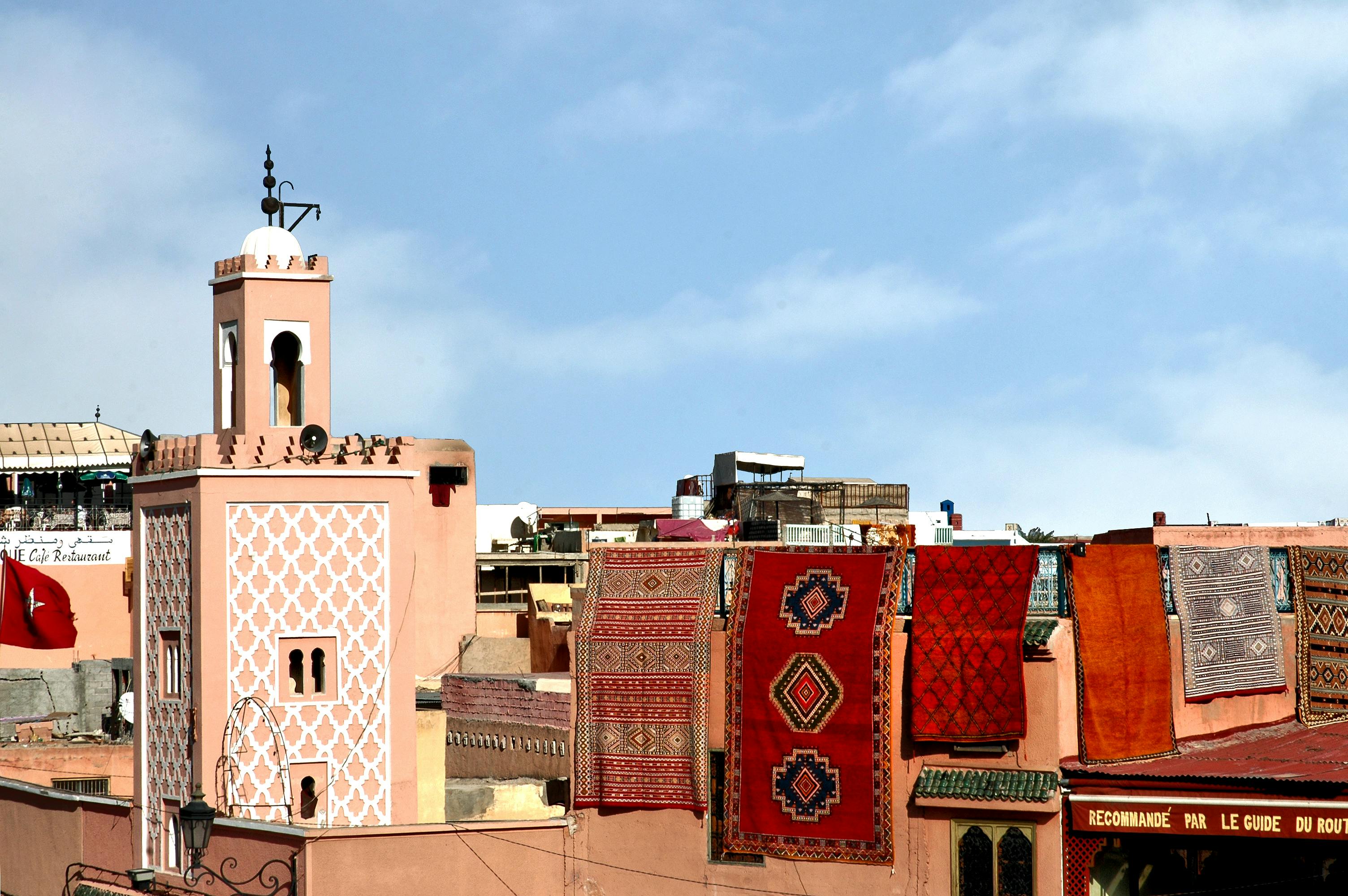
City breaks, family visits, trekking and longer road routes
People experience Morocco in very different ways. Some stay in Marrakech, Fez, Rabat or Casablanca for a few days, eating mostly in restaurants and using organised transport. Others travel across several regions, stay with family, visit smaller towns, camp, surf, cycle or trek in the High Atlas. Those differences matter. A short hotel-based stay usually brings a different risk profile from a month visiting relatives or moving between rural areas. Children change the conversation too, especially around animal contact and reporting bites or scratches. If your plans include Mount Toubkal, desert routes, motorbike travel or remote accommodation, bring those details to your appointment rather than only naming the country.
Rabies, food hygiene and Atlas altitude shape the conversation
Rabies is one of the risks people underestimate in Morocco. It has been reported in domestic animals, and bats may carry rabies-like viruses. Most travellers won't be bitten, but a bite, scratch or lick on broken skin needs urgent medical advice. Pre-travel rabies vaccination is worth discussing for children, runners, cyclists, longer stays, animal work and trips where reliable treatment may be hard to reach quickly. Hepatitis A is routinely recommended for previously unvaccinated travellers because it spreads through contaminated food and water. Typhoid is often discussed too, especially for longer stays, frequent travel, visits to friends and relatives, young children or situations where food hygiene may be less predictable. Tetanus should be current, with booster advice depending on your UK record and access to care during the trip. Hepatitis B may be relevant for longer stays, new sexual partners, contact sports, medical or dental treatment abroad, or work involving blood or body fluids. Routine UK vaccines matter too, including MMR and diphtheria-tetanus-polio. Mosquito and tick bites aren't the main reason most UK travellers book for Morocco, but bite avoidance is still sensible. North Africa has insect-borne infections such as leishmaniasis, West Nile virus and Rift Valley fever. Schistosomiasis has been reported previously, though the risk is described as very low — avoid swimming or wading in untreated freshwater. Altitude is the other distinctive point. Mount Toubkal reaches 4,167 metres, high enough for acute mountain sickness if you ascend too quickly.
What to do four to six weeks before you go
Book a travel health appointment four to six weeks before departure where you can. That gives enough time to check your records, plan vaccine courses where needed and talk through practical risks. Travelling sooner? Still come in — a late appointment can still be useful. Bring your itinerary, dates, accommodation type, planned activities and any vaccine records you have. Mention pregnancy, immune system problems, long-term conditions, regular medicines and previous vaccine reactions. For Morocco, preparation usually includes food and water advice, animal-bite planning, sun and heat precautions, and bite avoidance for insects and ticks. If you're trekking in the High Atlas, discuss gradual ascent, sleeping altitude and what to do if headache, nausea or breathlessness develops at height. Check FCDO advice and travel insurance as well.
Local travel health advice before Morocco
If you're planning Morocco from across west or central Welwyn Garden City, Welwyn Garden Clinic is a straightforward place to review your travel vaccinations and practical precautions. We'll base the appointment on your route, dates and medical history, not a generic country checklist. Book online at our Welwyn Garden City pharmacy, or call 01707 326754 if you'd rather speak to us first.
Frequently Asked Questions
Common questions about this destination.
How early should I book Morocco travel vaccinations?
Aim for four to six weeks before you travel. That leaves time to check your UK vaccine record and arrange any recommended vaccines. Leaving sooner? Book anyway, because some advice and vaccines may still be useful.
Which vaccines are usually discussed for Morocco?
Hepatitis A, typhoid and tetanus are commonly reviewed for Morocco, alongside routine UK vaccines such as MMR and diphtheria-tetanus-polio. Hepatitis B and rabies may be discussed depending on your plans, length of stay and exposure risks. Your medical history also matters.
Do I need malaria tablets for Morocco?
Tablets aren't usually part of travel preparation for Morocco. That doesn't mean insects can be ignored — use repellent, cover up when needed and reduce bites, particularly if you're outdoors in the evening or in rural areas.
Is rabies a real concern in Morocco?
Yes, rabies is a recognised risk in Morocco, mainly through bites or scratches from infected animals. Avoid contact with dogs, cats, bats and other mammals, even calm-looking ones. If bitten or scratched, wash the wound thoroughly and seek urgent medical advice.
Does trekking in the Atlas Mountains change my travel health plan?
It can. Routes around Mount Toubkal reach altitudes where acute mountain sickness becomes possible, especially with a fast ascent. A travel consultation should cover ascent plans, symptoms to watch for and when descent or medical help is needed.