Tick-Borne Encephalitis Vaccine in Welwyn Garden City
Planning hiking, camping or rural travel in TBE-risk areas? Get tick-borne encephalitis vaccine advice and appointments at Welwyn Garden Clinic in Welwyn Garden City.
Tick-borne encephalitis and your travel plans
Forest walks in Austria, camping in Sweden, a cycling trip through the Baltics: tick-borne encephalitis is usually relevant when your trip puts you close to ticks, not when you are staying in hotels and cities only. At Welwyn Garden Clinic in Welwyn Garden City, we discuss the route, season and activities before recommending the TBE vaccine. This page explains what the infection is, who may need the jab, and how early to plan the course.
A tick virus that can reach the nervous system
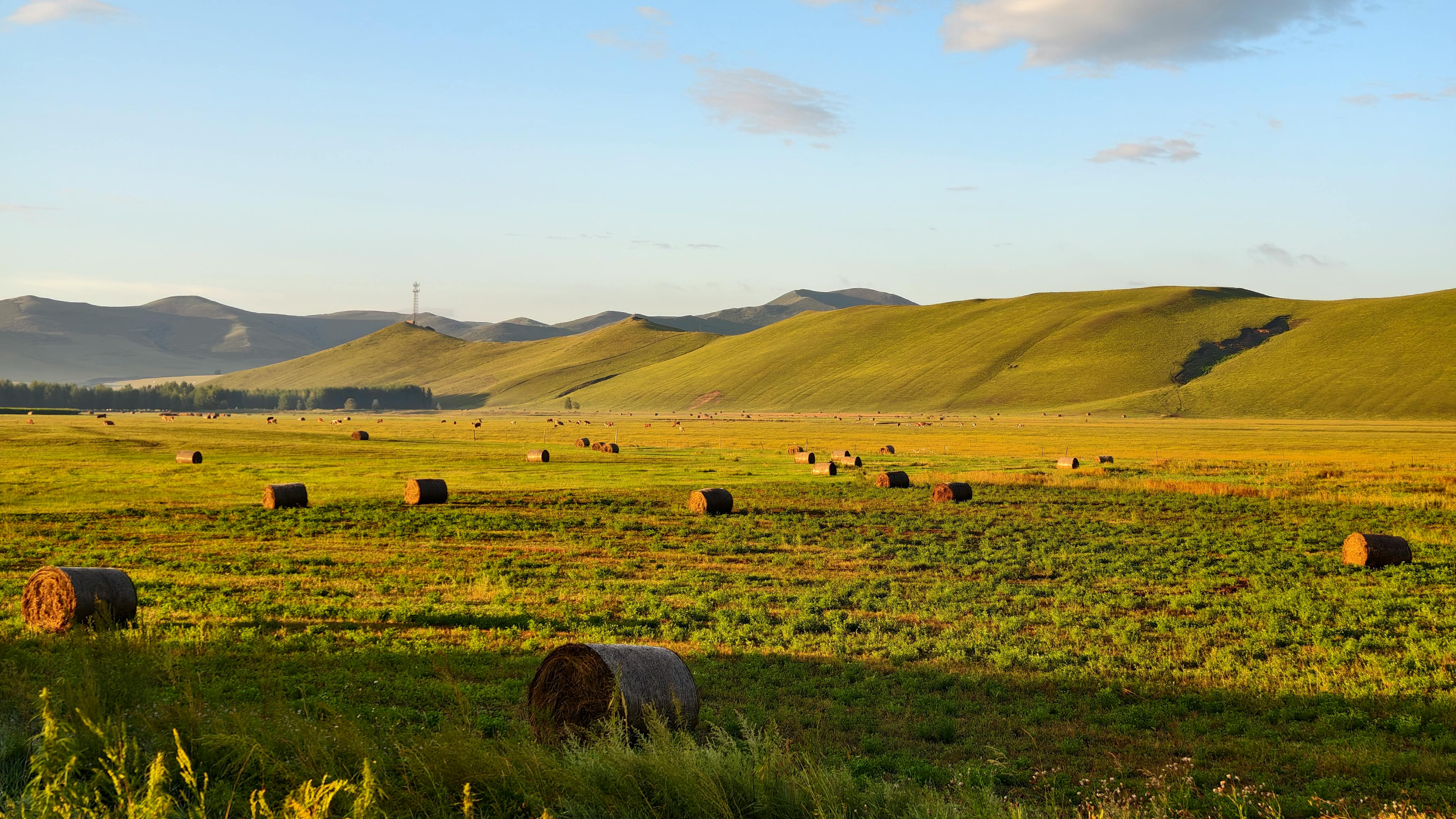
Tick-borne encephalitis, usually shortened to TBE, is a viral infection spread mainly through the bite of infected Ixodes ticks. These ticks live in woodland, grassland, forest edges, riverside meadows, parks and gardens. They sit low on vegetation and can be brushed onto clothing while walking, camping, hunting, fieldworking or spending long periods outdoors. Most infections cause no symptoms, or a short feverish illness with headache, tiredness and muscle aches. A smaller number progress to inflammation affecting the brain, the lining around the brain, or the spinal cord. That is where TBE becomes serious. There is no specific antiviral treatment, so care is mainly supportive, and severe cases may need hospital treatment. Travellers can also catch TBE, more rarely, from unpasteurised dairy products from infected animals. Raw milk cheese on a rural farm stay is not the usual route, but it is a recognised one.
How the TBE vaccine course works
The TBE vaccine trains your immune system to recognise tick-borne encephalitis virus before exposure. It can lower your risk of TBE if you are bitten by an infected tick, but it does not protect against other tick-borne infections such as Lyme disease. Repellent, long trousers, tick checks and prompt tick removal still matter. In the UK, TBE vaccination is usually given as a three-dose course. The second dose is commonly given 1 to 3 months after the first, with a faster option where the second dose can be given after 2 weeks if time is short. The third dose is given later to complete the primary course. A booster may be advised if you remain at risk; timing can differ with age and ongoing exposure. The vaccine is available in adult and child formulations, with children assessed according to age, medical history and travel risk. Tell the clinician if you have had a severe allergic reaction to a previous vaccine, egg, or a vaccine ingredient, or if you are pregnant, breastfeeding, feverish, or have an immune or neurological condition. Sore arm, redness, swelling, headache, tiredness, muscle aches and fever can occur, usually briefly.
Trips where TBE risk deserves attention
TBE is reported across parts of western, northern and central Europe and through northern and eastern Asia. The countries most often discussed include Austria, Germany, Switzerland, Czechia, Slovakia, Slovenia, the Baltic states, parts of Scandinavia, Poland, Russia, Kazakhstan, Mongolia, China and Japan. Risk often sits in specific rural or forested areas rather than across a whole country. Season matters. In much of Europe, cases are seen from spring through autumn, when ticks are more active. A long-distance hiker in Slovenia in June, a camper in Sweden in August, or a forestry worker in the Czech Republic faces a different exposure pattern from someone taking a winter city break. UK-acquired TBE remains very uncommon, but small areas of infected ticks have been detected.
Plan the course before tick season
If your route involves forests, hiking or rural stays in TBE-risk areas, a consultation can judge whether vaccination is worthwhile and explain the dose schedule. Welwyn Garden Clinic runs prescriber-led travel clinics in Welwyn Garden City. Call 01707 326754 to book.
Frequently Asked Questions
Common questions about this vaccine.
How soon before travel should I start the tick-borne encephalitis vaccine?
Start as early as you can, especially if you want the standard three-dose schedule. If you are travelling soon, a shorter interval between the first two doses may be possible, but it still needs planning. Bring your departure date to the appointment so the clinician can map the schedule properly.
Do I need the TBE vaccine for a short city break in Europe?
Often, no. A weekend in Vienna, Munich or Prague with no rural walks is usually a different risk from camping, hiking or mountain biking in nearby forests. The destination country matters, but your activities and season usually decide whether vaccination is worth considering.
Can children have the tick-borne encephalitis vaccine?
Yes, children can be vaccinated when they are old enough for the licensed child formulation and the trip risk justifies it. The clinician will consider the child’s age, health, itinerary and likely tick exposure before recommending it. Families should also use tick checks and bite avoidance, because the vaccine does not cover every tick-borne infection.
What side effects should I expect after the TBE jab?
Most reactions are mild and short-lived. A sore arm, redness or swelling at the injection site can happen, along with headache, tiredness, muscle aches, nausea or fever. Serious reactions are rare, but you should mention previous vaccine reactions or significant allergies before vaccination.
Can I get the TBE vaccine at Welwyn Garden Clinic?
Yes, appointments are available for travel health assessment and TBE vaccination where it is suitable for your trip. The clinic is open Monday to Friday from 9am to 6:30pm and Saturday from 9am to 2pm. You can call 01707 326754 to check availability and arrange a time.